- +919347179399
- contact@thetoothstoryhyd.com
- Mon-Sat: 9:00am-9:00pm | Sun: 9:00am-1:00pm

Stop gum disease progression, eliminate infection, and preserve your natural teeth with expert scaling and root planing.
Book Appointment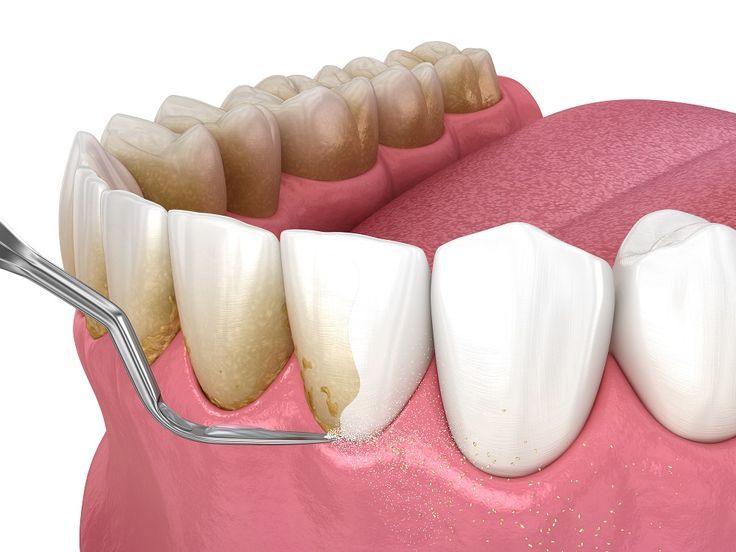
Scaling and root planing, commonly referred to as "deep cleaning," is a non-surgical periodontal treatment designed to address active gum disease (periodontitis). Unlike a routine cleaning, which focuses on the tooth surfaces above the gumline, scaling and root planing removes plaque and tartar (calculus) from below the gumline and smooths the tooth roots to prevent bacteria from reattaching.
The procedure is performed in two stages: scaling removes bacterial deposits from the tooth surfaces and pocket depths, while root planing smooths the root surfaces, allowing the gums to reattach to the teeth and reducing periodontal pocket depths.
Comprehensive exam including pocket depth measurements, bleeding assessment, and digital X-rays to evaluate bone levels.
Numbing of the areas being treated to ensure complete comfort during the deep cleaning procedure.
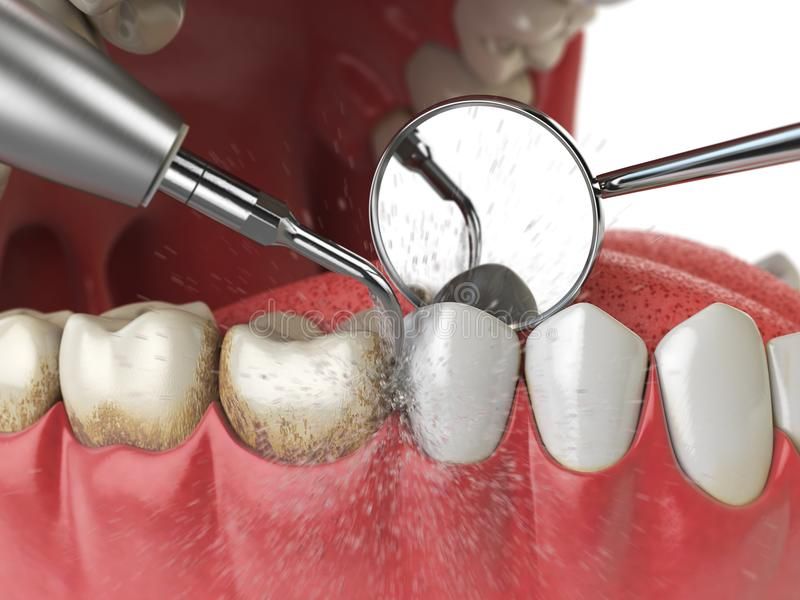
Use of advanced ultrasonic instruments to remove large deposits of tartar and flush out bacteria from pockets.
Fine hand instruments are carefully used to remove remaining deposits and thoroughly clean root surfaces.
Smoothing of root surfaces to eliminate bacterial retention sites and firmly promote gum reattachment.
Irrigation of pockets to reduce bacteria, followed by detailed home care instructions and scheduling for review.
Deep cleaning is the first line of defense against periodontitis—a progressive disease that can lead to tooth loss if left untreated.
Scaling and root planing is typically completed over two to four appointments, focusing on specific quadrants.
Your dentist will measure the depth of periodontal pockets. Healthy pockets measure 1–3mm; pockets of 4mm or deeper indicate periodontitis. X-rays will assess the amount of bone supporting your teeth.
Local anesthesia is administered to numb the specific area being treated. This ensures you feel no discomfort during the deep cleaning process.
Using ultrasonic instruments, tartar is removed from above and below the gumline. The device uses vibration and water to dislodge deposits and flush bacteria from pockets.
Fine hand instruments are used to smooth the root surfaces, removing any remaining bacterial deposits and creating a clean surface that encourages gum reattachment.
An antimicrobial agent may be irrigated into the periodontal pockets to reduce bacterial levels further. In some cases, antibiotic fibers or gels are placed in deep pockets.
Approximately 4–6 weeks after treatment, you will return for a reevaluation to assess healing and remeasure pocket depths. Many patients show significant improvement to healthy levels.
Scaling and root planing is indicated for patients diagnosed with periodontitis (gum disease).