Wisdom Tooth Removal in Hyderabad

Relieve pain, prevent crowding, and protect your oral health with expert extraction of impacted or problematic wisdom teeth.

Book Appointment
Wisdom Tooth Removal in Hyderabad
Wisdom Tooth Extraction

What Is Wisdom Tooth Removal?

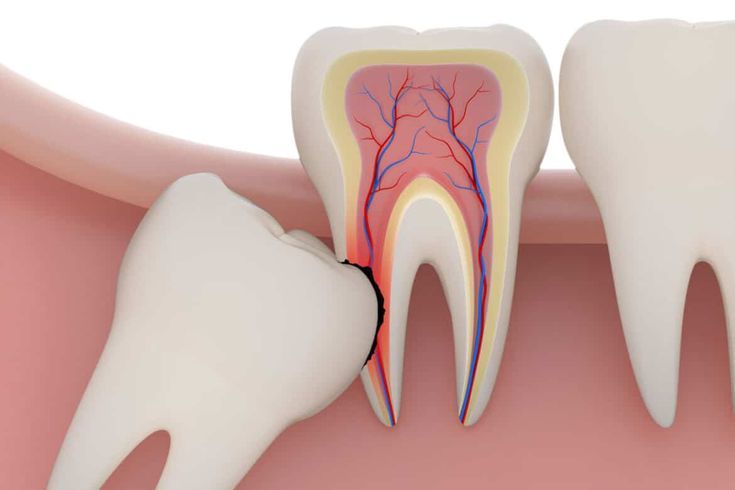
Wisdom teeth (third molars) are the last set of molars to erupt, typically appearing between the ages of 17 and 25. For many individuals, these teeth do not have enough space to emerge properly, leading to impaction (becoming trapped beneath the gum line), partial eruption, or misalignment.

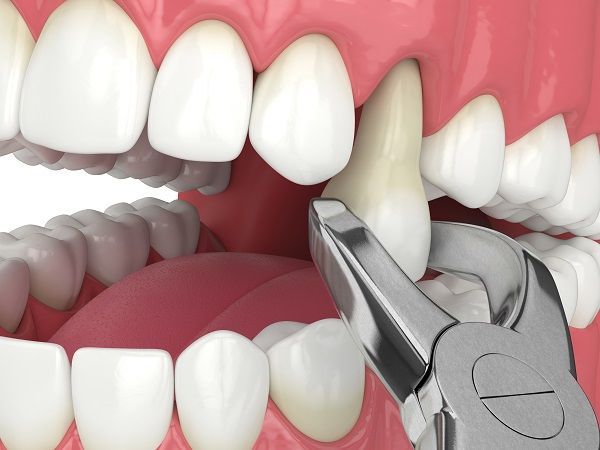
Wisdom tooth removal is a common oral surgical procedure in which one or more wisdom teeth are extracted to prevent or resolve issues such as pain, infection, crowding, and damage to adjacent teeth. The procedure can be performed under local anesthesia, sedation, or general anesthesia depending on the complexity of the case and patient preference.

What's Included in Wisdom Tooth Removal?

Comprehensive Examination

Digital X-rays (panoramic or CBCT) to assess the position, angle, and root development of your wisdom teeth.

Treatment Planning

Discussion of extraction complexity, anesthesia options, and expected recovery timeline before the procedure.

Anesthesia Administration

Local anesthesia, nitrous oxide, IV sedation, or general anesthesia — chosen based on case complexity and patient preference.

Surgical Extraction

Careful incision, bone removal if needed, and precise extraction — tooth may be sectioned for easier removal through a smaller opening.

Site Closure & Gauze

Thorough socket cleaning, dissolvable suture placement, and gauze application to control bleeding and promote clot formation.

Post-Op Instructions & Follow-up

Detailed pain management, swelling reduction, diet and activity guidance plus a follow-up for healing review and suture removal.

Why Is Wisdom Tooth Removal Important?

Removing problematic wisdom teeth is a preventive measure that safeguards your long-term oral health.

  • Prevents crowding: Wisdom teeth can push adjacent teeth out of alignment, undoing years of orthodontic work.
  • Eliminates pain and discomfort: Relieves pressure, throbbing pain, and headaches from erupting or impacted wisdom teeth.
  • Protects adjacent molars: Impacted wisdom teeth can damage the roots of healthy second molars, leading to decay or tooth loss.
  • Prevents infection: Partially erupted teeth create pockets where bacteria accumulate, causing recurrent infections and swelling.
  • Reduces risk of cysts: Fluid-filled sacs can form around impacted teeth, potentially damaging the jawbone and adjacent teeth.
  • Prevents gum disease: Difficulty cleaning partially erupted teeth increases the risk of pericoronitis and periodontal disease.

What to Expect During Wisdom Tooth Removal?

Wisdom tooth extraction is typically performed as an outpatient procedure. The experience varies based on complexity and anesthesia type.

1

Pre-Operative Consultation

Your oral surgeon will review your X-rays, discuss the position of your wisdom teeth, and recommend the appropriate anesthesia option. You will receive pre-operative instructions, including fasting guidelines if sedation or general anesthesia is planned.

2

Anesthesia Administration

On the day of the procedure, anesthesia is administered to ensure your comfort. Local anesthesia numbs the area completely. Sedation options help you relax, while general anesthesia may be used for complex cases or multiple extractions.

3

Extraction Procedure

For erupted teeth, extraction is similar to a standard tooth removal. For impacted teeth, an incision is made in the gum tissue to expose the tooth. Any bone blocking access is carefully removed. The tooth may be sectioned into smaller pieces for easier removal through a smaller opening.

4

Site Closure and Recovery

Once the tooth is removed, the socket is cleaned and sutures are placed to close the incision if needed. Gauze is applied to control bleeding and promote clot formation. You will rest until you are ready to go home.

5

Post-Operative Care

You will receive detailed aftercare instructions covering pain management, diet restrictions, swelling reduction, and activity limitations. A trusted adult should accompany you if sedation or general anesthesia was used, as you will not be able to drive.

Who Is This For?

Most patients undergo wisdom tooth extraction in their late teens or early twenties, when the roots are not fully formed and recovery is typically faster.

Common Reasons for Removal

  • Impacted wisdom teeth trapped beneath the gum or bone
  • Partially erupted teeth prone to infection and difficult to clean
  • Wisdom teeth causing crowding or shifting of adjacent teeth
  • Teeth that developed cavities due to difficulty in cleaning
  • Presence of cysts or other pathology around the tooth
  • Pain, swelling, or recurrent infections in the area

Ideal Candidates

  • Young adults (typically 16–25 years) with developing or fully formed wisdom teeth
  • Patients experiencing symptoms related to wisdom teeth
  • Individuals preparing for orthodontic treatment
  • Those with wisdom teeth likely to cause future problems based on X-ray findings

You May Be Advised to Retain Wisdom Teeth If:

  • Wisdom teeth are fully erupted, properly positioned, and functional
  • There is adequate space for cleaning and maintenance
  • No signs of decay, gum disease, or pathology are present
  • The teeth have opposing wisdom teeth that provide functional chewing

Frequently Asked Questions

You should not feel pain during the procedure due to anesthesia. After the anesthesia wears off, some discomfort is normal and can be managed with prescribed or over-the-counter pain medication. Most patients report peak discomfort on days 2–3, with significant improvement by day 5–7.

Initial healing takes 3–5 days, during which swelling and discomfort gradually subside. Full healing of the gum tissue and underlying bone takes several weeks to months. Most patients return to work or school within 3–5 days.

A soft or liquid diet is recommended for the first several days. Suitable foods include yogurt, smoothies, soup, mashed potatoes, scrambled eggs, and applesauce. Avoid hot foods, crunchy items, seeds, and anything that requires significant chewing.

Dry socket occurs when the blood clot that forms in the extraction site is dislodged prematurely, exposing the underlying bone and causing severe pain. To prevent it, avoid using straws, spitting, smoking, or vigorous rinsing for at least one week after surgery.

Sedation is not always required, but it is commonly recommended for wisdom tooth removal, especially for impacted teeth or anxious patients. Options range from local anesthesia alone to nitrous oxide, oral sedation, IV sedation, or general anesthesia.

The ideal time for wisdom tooth removal is typically between ages 16 and 25, when the roots are less developed and bone density is lower, making extraction easier and recovery faster.

Experience Gentle, Expert Wisdom Tooth Removal in Hyderabad

Safe, comfortable extractions by experienced oral surgeons. Schedule your consultation today!

Book Your Visit Now