Full Mouth Rehabilitation

Restore your oral health, function, and confidence with a comprehensive treatment plan designed to address widespread dental issues affecting your entire mouth.

Book Appointment
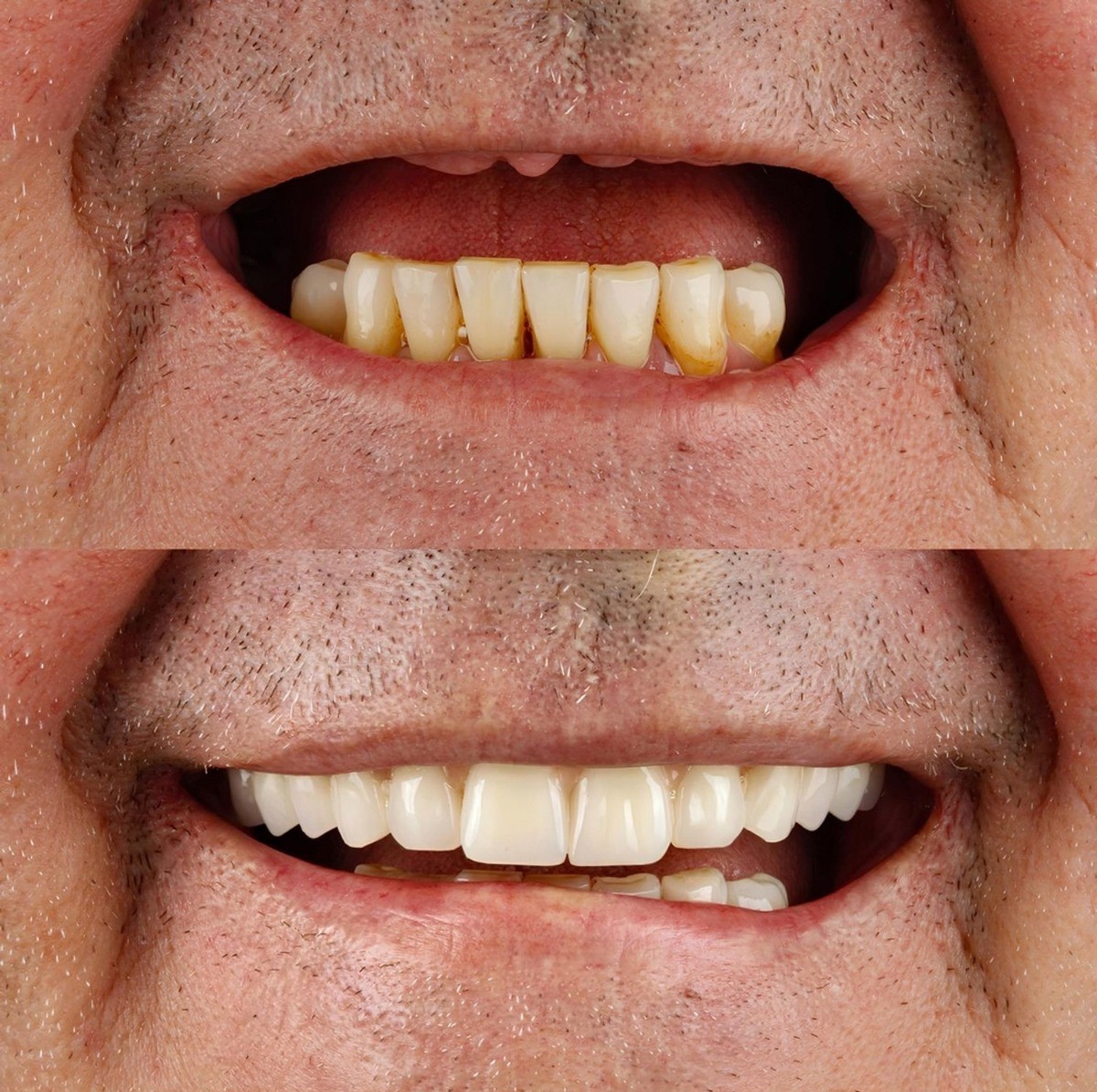
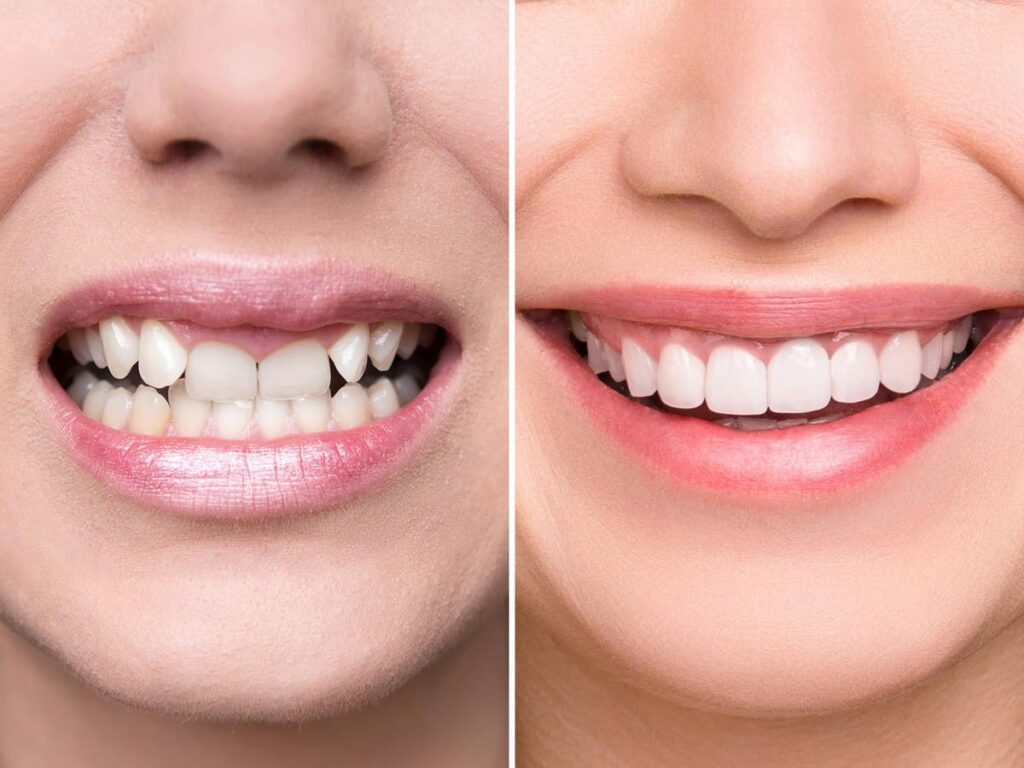
Full Mouth Rehabilitation Procedure
Comprehensive Dental Restoration

What Is Full Mouth Rehabilitation?

Full mouth rehabilitation (also called full mouth reconstruction or comprehensive rehabilitation) is a complex, customized treatment plan designed to restore the function, health, and aesthetics of the entire mouth. This extensive approach is indicated for patients with widespread dental problems, including multiple missing teeth, severe wear, bite dysfunction, chronic pain, or extensive decay.

Unlike a smile makeover, which focuses primarily on aesthetics, full mouth rehabilitation addresses both functional and aesthetic concerns, rebuilding the entire oral system—teeth, gums, bone, and bite alignment—to create a stable, healthy, and beautiful result.

Treatment typically combines multiple disciplines, including restorative dentistry, periodontics, endodontics, orthodontics, and oral surgery, with procedures carefully sequenced to achieve optimal outcomes.

What's Included in Full Mouth Rehabilitation?

Because each case is unique, the specific procedures involved in full mouth rehabilitation vary widely. Treatment may include a combination of:

Comprehensive evaluation
Bite analysis
Periodontal therapy
Endodontic treatment
Restorative procedures
Prosthetic replacements
Orthodontic treatment
Oral surgery
Temporization
Final restorations
Ongoing maintenance

Why Is Full Mouth Rehabilitation Important?

For patients with extensive dental issues, full mouth rehabilitation offers transformative benefits that go far beyond aesthetics.

  • Restores chewing function: Allows you to eat a full range of foods comfortably and efficiently.
  • Eliminates chronic pain: Addresses underlying causes of jaw pain, headaches, and facial muscle tension.
  • Replaces missing teeth: Fills gaps that compromise function and lead to shifting of remaining teeth.
  • Preserves remaining teeth: Creates a stable environment that protects your remaining natural teeth.
  • Stabilizes bite: Corrects occlusal issues that cause uneven tooth wear, tooth mobility, and TMJ disorders.
  • Enhances aesthetics: Creates a natural, harmonious smile that complements your facial features perfectly.
  • Improves overall health: Proper chewing supports digestion; eliminating chronic infection reduces systemic inflammation.
  • Provides long-term predictability: Comprehensive planning effectively addresses all issues at once.

What to Expect During Rehabilitation?

Full mouth rehabilitation is a phased process that typically spans several months to over a year.

1

Comprehensive Evaluation and Diagnosis

Your journey begins with a thorough evaluation. Your dentist will perform a full-mouth examination, take digital X-rays, CBCT scans, intraoral photographs, and impressions or digital scans for study models. Bite analysis and jaw joint evaluation are performed to understand your functional needs.

2

Treatment Planning

A detailed, phased treatment plan is developed. This plan outlines all necessary procedures, their sequence, estimated duration, and associated costs. You will have the opportunity to review the plan, ask questions, and discuss any concerns before proceeding.

3

Preparatory Phase

The initial phase addresses urgent issues. This may include treatment of gum disease, extractions of non-restorable teeth, root canal therapy for infected teeth, bone grafting for future implant placement, and orthodontic treatment to align teeth and correct the bite.

4

Provisional Phase

Temporary restorations are placed to allow you to trial your new smile and bite. During this phase, function, aesthetics, and comfort are evaluated. Adjustments can be made based on your feedback before final restorations are fabricated.

5

Final Restorations

Once the provisional phase confirms the planned outcome, permanent restorations (crowns, bridges, implants) are fabricated and placed. These are crafted from high-quality materials such as porcelain, zirconia, or ceramic for durability and aesthetics.

6

Occlusal Adjustment and Maintenance

Your bite is carefully adjusted to ensure even contact and comfortable function. Following completion, you will enter a customized maintenance program with regular follow-up visits to monitor your restorations and maintain gum health.

Who Is This For?

Full mouth rehabilitation is indicated for patients with extensive, complex dental issues affecting the majority of their teeth.

Common Reasons

  • Severe tooth wear from bruxism or acid
  • Multiple missing teeth or widespread decay
  • Advanced gum disease with tooth mobility
  • Chronic bite problems and TMJ disorders
  • Congenital conditions or major facial trauma
  • Previous failed dental work requiring replacement

Ideal Candidates

  • Patients committed to the time and investment required
  • Individuals with realistic expectations about outcomes
  • Those with good overall health or medically stable conditions
  • Patients willing to maintain excellent oral hygiene

Additional Preparation If:

  • Active gum disease is present (requires immediate priority)
  • Complex medical conditions require coordinated care
  • Significant bone loss requires extensive grafting

Frequently Asked Questions

Treatment duration varies significantly based on complexity. Simple cases may take 6–12 months. Complex cases involving orthodontics, multiple implants, or bone grafting can take 12–24 months or longer. Your treatment plan will include a realistic timeline.

Procedures are performed under local anesthesia or sedation to ensure comfort. Some discomfort is normal during recovery from individual procedures, but comprehensive planning sequences treatments to minimize overall impact. Most patients find the long-term relief and function worth the temporary discomfort.

Full mouth rehabilitation represents a significant investment in your oral health. Costs vary widely based on the number and complexity of procedures required. Your treatment plan will include a detailed cost breakdown, and financing options are available.

Insurance coverage varies. Some procedures (crowns, root canals, extractions) may have partial coverage, while cosmetic components may not be covered. Our team will help you understand your benefits and explore financing options.

Maintenance depends on the specific restorations placed. Generally, excellent oral hygiene, regular dental visits, and avoiding harmful habits (grinding, using teeth as tools) are essential. You will receive specific care instructions tailored to your restorations.

If you have bruxism (teeth grinding), a custom nightguard is essential to protect your restorations and maintain your results. Your dentist will discuss nightguard options as part of your treatment plan.

Yes. One of the primary goals of full mouth rehabilitation is to restore normal chewing function. Once treatment is complete and healing is finalized, you will be able to enjoy a full range of foods.

Transform Your Oral Health with Comprehensive Rehabilitation

Schedule your consultation today to begin the journey to a stable, healthy, and beautiful smile.

Book Consultation