Dental Care for Cleft Lip & Palate

Supporting patients with cleft lip and palate through specialized dental care coordinated with a multidisciplinary approach to achieve healthy function, aesthetics, and confidence.

Book Appointment
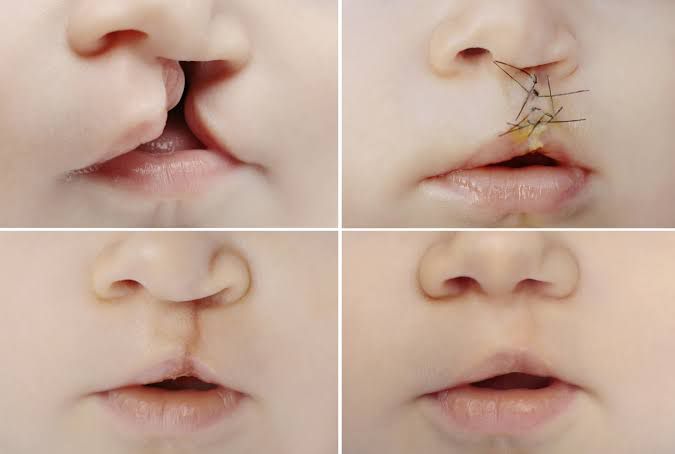
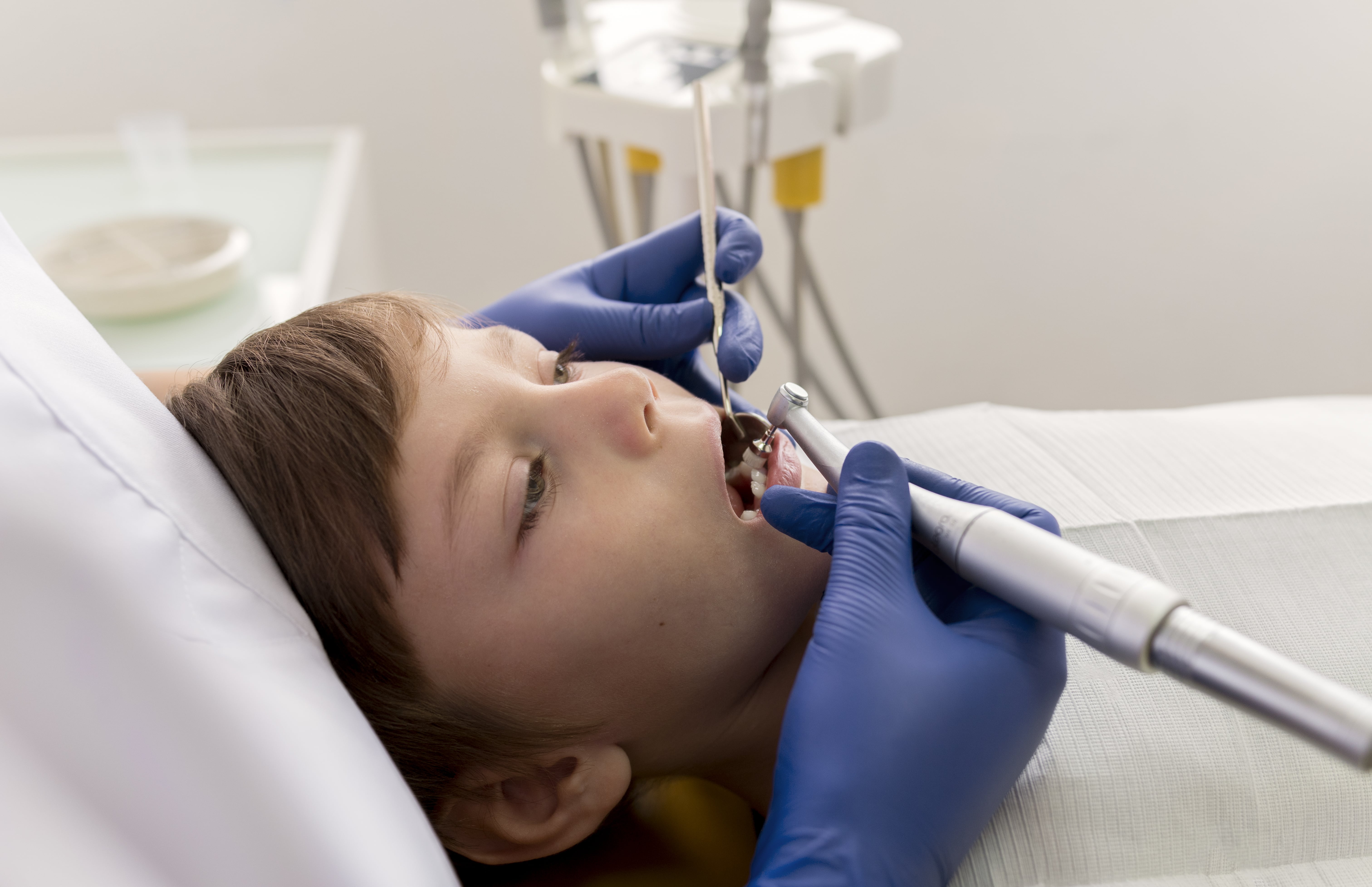
Cleft Lip and Palate Dental Care in Hyderabad
Pediatric Dental Care

What Is Cleft Lip and Palate?

Cleft lip and cleft palate are congenital conditions that occur when the tissues of the lip, palate (roof of the mouth), or both do not fuse completely during early fetal development. These are among the most common birth differences affecting the craniofacial region.

Cleft lip: A separation or opening in the upper lip that may range from a small notch to a complete gap extending to the nose. It may occur on one side (unilateral) or both sides (bilateral).

Cleft palate: An opening in the roof of the mouth that may involve the soft palate (back portion), hard palate (front portion), or both. Cleft palate can occur with or without cleft lip.

These conditions can affect feeding, speech development, hearing, dental development, and facial aesthetics. Management of cleft lip and palate requires a multidisciplinary team approach, often involving:

  • Plastic surgeons
  • Oral and maxillofacial surgeons
  • Orthodontists
  • Pediatric dentists
  • Speech therapists
  • Otolaryngologists (ENT specialists)
  • Audiologists
  • Genetic counselors
  • Psychologists

At our clinic, we provide specialized dental care as part of this comprehensive, coordinated approach.

What's Included in Dental Care?

Dental care for patients with cleft lip and palate is complex and staged over many years.

Infancy and Early Childhood

  • Pre-surgical orthopedics: Nasoalveolar molding (NAM) to reshape the gum segments and nasal cartilage before surgical repair.
  • Feeding support: Guidance on specialized feeding techniques and appliances.
  • Early dental evaluation: Assessment of primary teeth development and eruption patterns.
  • Caries prevention: Fluoride treatment and preventive education for parents.

Mixed Dentition (Childhood)

  • Regular monitoring: Observation of dental development, eruption patterns, and arch relationships.
  • Orthodontic intervention: Early orthodontic treatment to address crossbites, arch alignment, and space management.
  • Bone grafting: Alveolar bone grafting (usually between ages 7–11) to close the cleft in the gum ridge.
  • Restorative care: Treatment of cavities and maintenance of primary and permanent teeth.

Adolescence and Young Adulthood

  • Comprehensive orthodontics: Full orthodontic treatment to align permanent teeth and coordinate arches.
  • Restorative dentistry: Crowns, bridges, or other restorations to address missing, malformed, or compromised teeth.
  • Implant planning: Assessment for dental implants to replace missing teeth in the cleft site once growth is complete.
  • Prosthetic rehabilitation: Implant-supported crowns, bridges, or other prostheses.

Ongoing Care

  • Long-term maintenance: Regular follow-up to monitor stability, maintain oral health, and address emerging needs.
  • Multidisciplinary coordination: Collaboration with the broader cleft care team to ensure integrated care.

Why Is Specialized Care Important?

Patients with cleft lip and palate face incredibly unique dental challenges that require specialized, coordinated care for best results.

  • Addresses anomalies: Clefts regularly involve severely missing, completely malformed, or extra (supernumerary) teeth.
  • Supports eruption: Careful alveolar bone grafting effectively provides a critical foundation for permanent teeth to erupt into the cleft perfectly.
  • Optimizes aesthetics: Advanced comprehensive orthodontic and restorative care systematically achieves a completely harmonious smile.
  • Restores function: Perfect dental alignment significantly supports chewing, precise speech generation, and smooth jaw function.
  • Coordinates surgeries: Vital dental treatment is smartly timed with heavy surgical interventions for the best possible optimal outcomes.
  • Provides lifelong support: Specialized ongoing dental care flexibly adapts to continuously changing functional needs across the lifespan.

What to Expect During Dental Care?

Dental care for cleft patients is a long-term partnership, staged correctly to flawlessly align with exact developmental milestones.

1

Early Evaluation (Infancy)

Evaluation completely begins in infancy, often before surgical lip or palate repair. The specialized dental team smartly works closely with active surgeons and various specialists to carefully plan vital early interventions.

2

Preventive and Supportive Care

Throughout childhood, essential preventive care (cleanings, fluoride, sealants) is steadily provided. Parents precisely receive clear guidance on best oral hygiene practices, daily feeding routines, and managing long-term dental development.

3

Alveolar Bone Grafting (Ages 7-11)

Between ages 7–11, bone graft surgery is typically completely successfully performed to meticulously close the cleft existing in the gum ridge. Complete dental and accurate orthodontic preparation is absolutely essential significantly before this graft.

4

Orthodontic Treatment

Thorough comprehensive orthodontic treatment completely aligns the final permanent teeth, expertly coordinates the separate dental arches, and flawlessly prepares the site for definitive, high-quality permanent aesthetic restorations.

5

Restorative and Implant Rehabilitation

Once natural jaw growth is physically complete (typically late adolescence), definitive modern restorations are safely correctly placed. Implants are extremely common solutions for replacing missing teeth perfectly within the cleft site securely.

6

Long-Term Maintenance

Mandatory regular follow-up visits consistently monitor newly placed restorations, overall gum tissue health, and entire jaw systemic stability. Care gracefully changes carefully as new future dental life needs occasionally arise suddenly generally.

Frequently Asked Questions

Early dental evaluation is recommended in infancy, often before the first tooth erupts. Early involvement allows the dental team to participate in coordinated care and provide guidance on feeding, oral hygiene, and development.

Alveolar bone grafting is a surgical procedure where bone is placed into the cleft in the gum ridge. This provides bone support for adjacent teeth, allows permanent teeth to erupt into the cleft site, and creates a foundation for future implants.

Most patients with cleft lip and palate require orthodontic treatment. Early interceptive orthodontics may begin in childhood, with comprehensive orthodontics typically occurring during adolescence.

Yes. Once jaw growth is complete, dental implants are often the preferred solution for replacing missing teeth in the cleft site. Implants provide stable, permanent support for crowns or bridges and do not require involvement of adjacent teeth.

Regular dental visits every 6 months are essential for preventive care. Additional appointments with orthodontists, oral surgeons, and other specialists are coordinated based on the treatment plan.

Coverage varies. Many insurance plans provide coverage for medically necessary procedures related to cleft lip and palate, including bone grafting, orthodontics, and implant placement. Our team will help you understand your benefits.

Compassionate, Coordinated Care for Cleft Lip and Palate

Expert evaluation and personalized dental treatment to support healthy, happy development.

Contact Us Now